
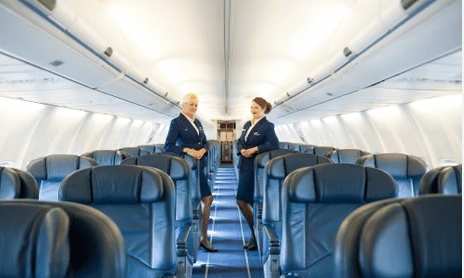
The modern global landscape demands unparalleled agility. Businesses and individuals increasingly seek solutions that transcend the limitations of conventional travel. The imperative for swift, direct, and adaptable movement across continents has never been more pronounced, shaping how we connect and operate in an interconnected world. This shift underscores a fundamental rethinking of personal and corporate logistics.
Private aviation emerges as a transformative force in this evolving paradigm. It offers a distinct alternative to scheduled services, providing a level of customization and operational freedom previously unattainable for many. This sector is not merely about luxury; it's about optimizing time, enhancing productivity, and ensuring seamless transitions for critical missions and personal journeys alike.
The core value proposition lies in its inherent flexibility. Passengers dictate their schedules, choose their destinations, and bypass the complexities of crowded terminals. This autonomy is particularly vital for executives attending multiple meetings in disparate locations or for individuals requiring urgent, discreet travel arrangements. It streamlines the entire travel process, making it significantly more efficient.
Furthermore, private flight capabilities are expanding, reaching remote areas and smaller airfields often inaccessible to larger commercial carriers. This broadens the scope of global reach, opening new avenues for commerce, exploration, and personal discovery. The ability to connect directly to a wider network of destinations reshapes geographical barriers.
Corelineiq recognizes this paradigm shift, understanding the profound impact of tailored air travel on modern life. We observe how private aviation is meticulously crafting a new standard for global mobility, emphasizing convenience and bespoke service. It's about more than just reaching a destination; it's about the quality and efficiency of the journey itself.
This redefinition extends to safety protocols and passenger well-being, which are paramount in private operations. The controlled environment and personalized service contribute to a more secure and comfortable experience, contrasting sharply with the often unpredictable nature of high-volume public transport. It fosters a sense of assurance for discerning travelers.
Experts widely concur that the evolution of private aviation is driven by technological advancements and changing user expectations. Modern aircraft boast greater fuel efficiency, extended ranges, and enhanced cabin comfort, making longer journeys more feasible and pleasant. The integration of advanced navigation systems also contributes to operational precision and safety, solidifying its role in contemporary transport.

There is a robust discussion among industry analysts regarding the scalability of private aviation. While some argue that infrastructure limitations, particularly at major hubs, could restrict future expansion, others point to the increasing utilization of secondary airports. This decentralization strategy helps alleviate congestion and broadens accessibility, suggesting a viable path for continued growth without overburdening existing facilities.
Another key area of debate centers on the environmental footprint of private flights. Proponents highlight ongoing efforts in sustainable aviation fuels (SAFs) and the development of electric or hybrid aircraft as significant steps towards mitigating impact. Critics, however, emphasize the current per-passenger emissions compared to commercial flights, urging faster adoption of greener technologies and stricter regulatory frameworks.
The human element in private aviation remains critical. The demand for highly skilled pilots, maintenance technicians, and ground staff is projected to grow substantially. This presents both an opportunity for specialized career development and a potential challenge in maintaining a sufficient workforce to meet expanding operational needs. Training programs and recruitment initiatives are becoming increasingly vital.
Furthermore, the rise of fractional ownership and membership models has democratized access to private air travel, making it attainable for a broader segment of the market. This shift challenges the perception of private jets as exclusively for the ultra-elite, demonstrating a move towards more accessible and flexible service offerings. Corelineiq observes this trend as a pivotal factor in market development.
Private aviation is undeniably reshaping global mobility, offering unparalleled flexibility and efficiency. Its capacity to adapt to individual and corporate needs, coupled with continuous innovation, positions it as a vital component of future travel ecosystems.
As this sector evolves, collaboration on sustainable practices and infrastructure will be crucial. Advanced technologies and responsible operations will ensure private flight remains a forward-thinking contributor to global connectivity, optimizing journeys for greater engagement.
Dedicated to excellence in private air travel, we offer a comprehensive suite of charter services. Our focus is on creating personalized, efficient, and comfortable flight experiences for every client, ensuring smooth journeys across South Africa and beyond.
Copyright Corelineiq
Comments
Nathan Reed
The article highlights the core benefits of private aviation very well. The emphasis on flexibility and efficiency resonates strongly with my experience in business travel.
Nova Ezeh
Thank you for your feedback! We are pleased to hear that our insights align with your professional experiences. Flexibility and efficiency are indeed central to the value proposition of modern private air travel.
Faith Lange
I found the discussion on scalability and environmental impact particularly thought-provoking. It's important to address these challenges as the industry grows.
Xavier Fourie
We appreciate your observation. These are crucial areas of development for the sector. Continued innovation in sustainable fuels and infrastructure is key to its responsible expansion.